Developing Basic Digital Skills
As teachers adjust their teaching effectively match
the new digital world of information and communication technology (ICT), they
must be clear on what basic knowledge, skills and values (or illiteracies) need
to be developed by digital learners.

1.
Solution
Fluency
This refers to the capacity and
creativity in problem solving.
2.
Information
Fluency
This involves 3 subsets of skills
namely,
a. An ability to access information,
access may involve not only of the internet, but other sources like the CD-ROM
software.
b. An ability to retrieve
information, received information may include not only texts, but images, sound
and video.
c. An ability to reflect on, assess
and rewrite for instructive information packages.
3.
Collaboration
fluency
This refers to teamwork with virtual
or real partners in the online environment.
4.
Media
Fluency
Media refer to channels of mass
communication (radio, television, magazines, advertising, (graphic arts) or
digital sources.
5.
Creativity
fluency
Artistic proficiency adds meaning by
way of design, art, and storytelling to package a message.
6.
Digital
ethics
The digital citizen is guided by
principles of leadership, global responsibility, environmental awareness,
global citizenship, and personal accountability.
Higher thinking skills
Entering the new world of information and
communication technology opens the way of complex and higher cognitive
skills.
Bloom’s
Taxonomy of Thinking Skills
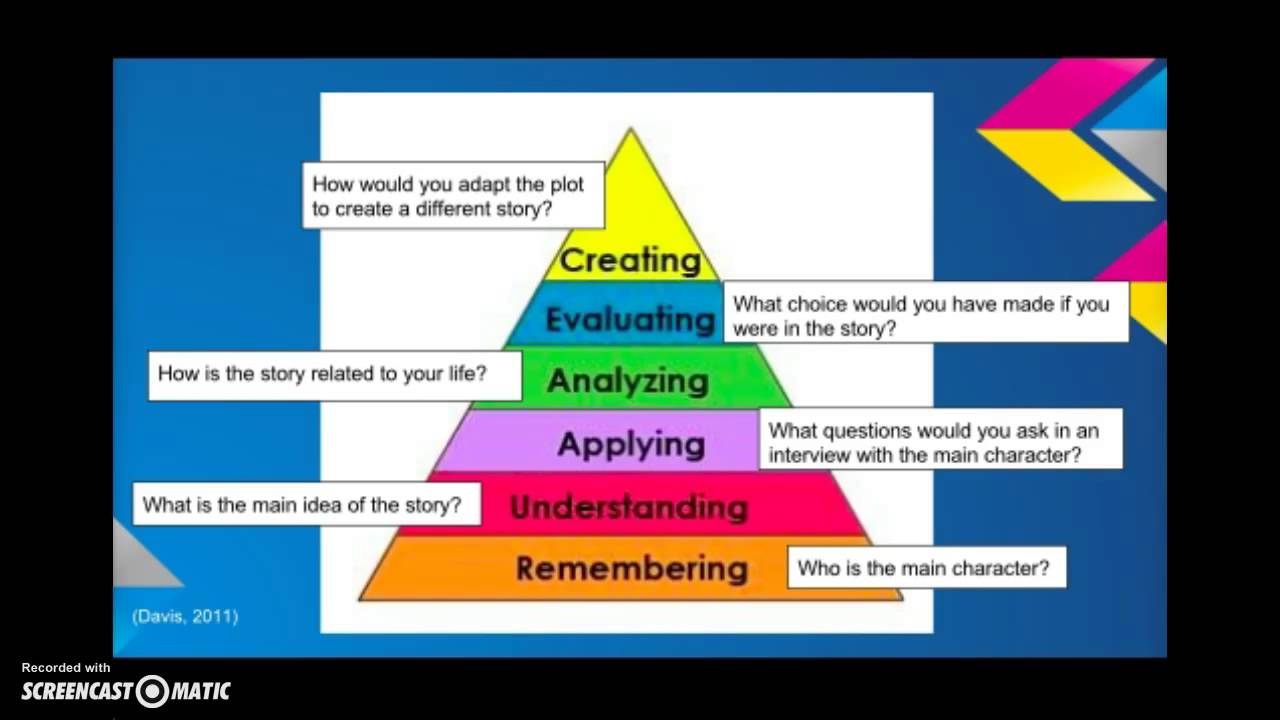
The Above taxonomy is patterned after new scientific knowledge
on the human brain works. The right hemisphere of the brain works sequentially
through a series of events like talking, reading, and writing.
By developing higher thinking skills, the school today
can inculcate the digital fluencies, while overcoming limitations inherent in
digital technology, resulting in superficial and mediocre learning skills of
new learners.
The structured problem solving-process known as 4D’s
exemplifies the instructional shift in digital learning:
·
Define
the problem
·
Design
the solution
·
Do
the work
·
Debrief
the outcome
Understandably, the teacher will have to move away
from center stage of the classroom, and allow students the limelight of the
teaching-learning process.

Walang komento:
Mag-post ng isang Komento